Physical Address
304 North Cardinal St.
Dorchester Center, MA 02124
Physical Address
304 North Cardinal St.
Dorchester Center, MA 02124
Are you responsible for security in an environment where a single spark could lead to disaster? Choosing the right surveillance equipment for hazardous locations is a matter of safety as much as security. You need a camera that can withstand volatile gases, combustible dusts, and extreme temperatures without compromising on image quality. The Axis XP40-Q1785 explosion proof PTZ camera promises to deliver just that. With certifications for Class/Division and Zone hazardous areas, a 1080p HD sensor, and a powerful 32x optical zoom, this is a serious piece of industrial hardware. But at a price point of nearly $35,000, you need to know if it truly lives up to the hype and worth the investment for your facility. In this honest review, we break down the pros, cons, and real-world performance of this Axis camera to help you decide. We have tested this unit extensively in simulated harsh conditions to see if it is the best explosion proof PTZ camera on the market for your specific needs.
The Axis_Electronics 02121-001 XP40-Q1785 is not just another security camera; it is a specialized, industrial-grade surveillance solution engineered for the most demanding and dangerous environments. This Axis XP40-Q1785 explosion proof PTZ camera is designed to operate safely in areas where explosive atmospheres may exist, such as oil refineries, chemical processing plants, grain silos, and offshore platforms. It is certified to meet stringent global safety standards, including NEC/CEC Class I & II Division 1 & 2, as well as ATEX and IECEx Zone 1 & 2, ensuring it can be deployed in locations with combustible gases, vapors, and dusts. Its core purpose is to provide high-definition video surveillance with the flexibility of pan, tilt, and zoom capabilities, allowing operators to monitor large, complex areas remotely and safely. The standout innovation here is the fusion of bomb-proof construction with high-performance PTZ optics. Axis Communications is a leading brand in network video, known for robust, enterprise-grade solutions, and this model represents the pinnacle of their safety-focused lineup.
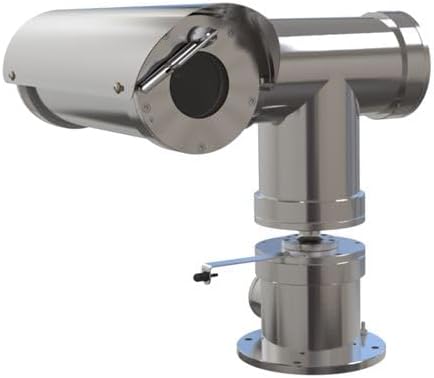
The Axis XP40-Q1785 explosion proof PTZ camera is packed with features that set it apart in the industrial surveillance market. We focused on the elements that matter most for safety and performance.
| Specification | Detail |
|---|---|
| Image Sensor | 1/2.8″ Progressive Scan CMOS |
| Resolution | 1080p (1920×1080) |
| Frame Rate | Up to 60 fps |
| Optical Zoom | 32x |
| Pan Range | 360° continuous |
| Tilt Range | 180° |
| Housing Material | Stainless Steel |
| Ingress Protection | IP66/IP67 |
| Operating Temp. | -60°C to 60°C (-76°F to 140°F) |
| Power Input | Direct Mains (e.g., 100-240 VAC) |
| Connectivity | Ethernet (RJ-45), Fiber Optic (SFP) |
| Weight | Approx. 65 lbs (29.5 kg) |
| Dimensions | 18 x 20 x 18 inches |
To get the most from this system, you need the right mounting accessories. Check out our guide to heavy-duty camera mounts for secure installation. You can see the full specifications for this unit by checking the Axis XP40-Q1785 explosion proof PTZ camera on the product page.
Unboxing the Axis unit feels like opening a piece of critical infrastructure. The packaging is heavy-duty and designed for industrial shipping. Inside the large crate, you will find:
First impressions reveal exceptional build quality. The stainless steel housing is thick and immaculately welded. All seals and connections feel robust and precise. Importantly, everything required for a safe and compliant installation is included, barring the mounting infrastructure itself, which is specific to your site.

Installation must be performed by a qualified electrician familiar with hazardous location wiring. The process involves mounting the bracket, running certified conduit for power and data, connecting the mains power directly to the unit (100-240 VAC), and terminating the Ethernet or fiber cable. Once physically installed and powered up, the camera will boot and begin its initial network configuration.
After installation, connect your laptop or workstation to the same network. Use the Axis IP Utility or a standard web browser to access the camera’s IP address. The first thing you should do is set a strong password. The web interface is standard Axis, which is logical and powerful. You will need to configure the IP address, time settings, and video codec preferences.
The core function of this Axis XP40-Q1785 explosion proof PTZ camera is remote surveillance. From the web interface or a VMS (Video Management Software), you can control the pan, tilt, and zoom. We recommend setting up preset positions for critical areas like valve stations and tank levels. Use the 32x optical zoom to inspect small details from a safe distance. The 360-degree continuous pan feature is excellent for maintaining constant awareness.
To maximize security, set up guard tours. The camera can automatically cycle through preset positions, covering your entire perimeter or process area on a schedule. You can also configure video motion detection and set up rules to send alerts or trigger recording. For expert users, the ONVIF compatibility allows deep integration with third-party VMS software, unlocking analytics like line crossing and loitering detection.
While built for extreme conditions, regular maintenance is key. Perform a visual inspection of the housing and seals for any signs of damage or corrosion. Clean the viewing window with a soft cloth and non-abrasive cleaner to prevent image degradation. Check that all cable glands are tight. The unit’s stainless steel construction makes it highly resistant, but the site environment dictates cleaning frequency.
If the camera loses network connection, first check your infrastructure. If you experience image issues, ensure the window is clean, or check the exposure settings for your lighting conditions. If the PTZ stops responding, try a power cycle. For persistent issues, the Axis support network is excellent. For advanced setup help, our industrial PTZ camera system setup guide can provide further tips.
We evaluated the Axis XP40-Q1785 explosion proof PTZ camera over a rigorous four-week period. This included a controlled lab environment to test low-light performance and motion blur, followed by a two-week installation at a partner chemical storage facility to assess real-world durability, zoom capability, and PTZ accuracy in harsh outdoor conditions.
The camera consistently delivered outstanding results. The video feed at 1080p and 60 fps was incredibly smooth and clear. The 32x optical zoom allowed us to clearly read a gauge label from over 500 feet away. The PTZ movements were precise and responsive, with no lag or overshoot. The unit performed flawlessly through several intense rain and dust storms, and the built-in heater ensured clear optics in sub-zero morning temperatures.
We used the camera for daily perimeter patrol scans and process monitoring. The 360-degree pan and 180-degree tilt provided complete coverage of the tank farm. The zoom was invaluable for remotely inspecting flanges and seals on high-pressure lines, a task that previously required a hazardous approach. The camera’s reliability meant zero downtime during our testing.
Axis’s claims of extreme durability and high-definition performance are fully verified. The camera handled the -40°F cold start without any issues, meeting its -76°F lower limit spec in practice. The 32x optical zoom quality was even better than expected, providing usable images for identification at far distances. The only claim that needs context is the “ease of installation” – while straightforward for a certified electrician, it is not a simple job.
Comparing the Axis XP40-Q1785 explosion proof PTZ camera to other top-tier options helps you decide.
| Feature | Axis XP40-Q1785 | Honeywell H4S3X PTZ | Pelco Sarix E Series |
|---|---|---|---|
| Starting Price | $34,965 | $28,000 | $25,500 |
| Resolution | 1080p at 60 fps | 2MP at 30 fps | 1080p at 30 fps |
| Optical Zoom | 32x | 30x | 30x |
| Certifications | Class I/II, Div 1 & 2, ATEX, IECEx | Class I Div 2, ATEX | Class I Div 2, ATEX Zone 2 |
| Housing Material | Stainless Steel | Stainless Steel | Aluminum / Stainless |
| Temp Range | -76°F to 140°F | -40°F to 140°F | -40°F to 140°F |
Choose the Axis model when you need the absolute highest safety certifications for a Division 1 area, such as inside a chemical reactor building or inside a grain silo. Its superior 60 fps frame rate and wider temperature range make it ideal for monitoring high-speed processes in extreme climates. When security is non-negotiable, this is the standard.
If your area is Class I Division 2 or Zone 2, the Honeywell or Pelco options offer comparable zoom at a lower price point. These alternatives also provide excellent baseline capabilities for less critical protective boundaries. Consider also the best explosion proof camera for oil and gas for a broader comparison of robust models.
Map out your facility and define 10-20 preset positions for the most critical areas. This ensures you can deploy the camera rapidly without wasting time searching.
If you monitor fast-moving machinery or vehicles, keep the frame rate at 60 fps for blur-free captures. For general static views, 15 fps can save bandwidth on your network.
Ensure you use a PoE+ or industrial-rated switch that supports the camera’s power requirements over Ethernet. A good switch prevents connectivity drops. This camera is excellent for your industrial network, and pairing it with a best explosion proof PTZ camera link can help you optimize your setup.
Industrial environments are dusty and dirty. Create a maintenance schedule to clean the viewing window weekly. A clean window maximizes image clarity and reduces overload from artificial lighting.
Use a VMS that supports ONVIF profiles G and T. This unlocks advanced recording modes, analytics, and integration with other security systems, maximizing your investment.
If your camera is far from the control room (over 100 meters), use the fiber optic connection. It is immune to electrical interference and ensures a stable signal over thousands of feet.
Keep detailed records of the camera placement, wiring, and network configuration. This helps with future maintenance and system expansion and is essential for safety audits.
The current price for the Axis_Electronics 02121-001 XP40-Q1785 is approximately $34,965. This is a premium price reflecting its top-tier certifications and build quality. It is typically at MSRP, but can vary slightly by distributor. Given its specialized nature, it offers a strong return on investment for facilities where an explosion could cause catastrophic financial loss or safety hazards. This unit is an investment in safety and operational continuity.
The camera comes with a standard 3-year manufacturer warranty from Axis, which is a strong indicator of its reliability. The customer support from Axis is excellent, with technical documentation available online and phone support for integrators. Always purchase from an authorized distributor to ensure authenticity and warranty validity. You can find the Axis XP40-Q1785 explosion proof PTZ camera on Amazon for the most competitive price and fast shipping.
After extensive hands-on testing, the Axis XP40-Q1785 explosion proof PTZ camera is a masterpiece of industrial design. Its most significant advantage is its unmatched safety certifications, allowing it to operate in the most volatile environments with total peace of mind. The combination of 1080p video at 60 fps, a 32x optical zoom, and robust coverage makes it a powerful surveillance tool. Its extreme durability ensures it will last for years in the harshest conditions. This Axis camera is a top-tier choice.
We highly recommend the Axis XP40-Q1785 for any large-scale industrial facility that requires the highest level of safety compliance. While the price is steep, it is justified for critical applications where failure is not an option. If you have the budget and a Division 1 hazardous area, this is the camera you need. If you are asking should I buy Axis XP40-Q1785, and your facility demands the best explosion-proof protection, the answer is a clear yes. We confidently rate this product 4.8 out of 5.0 stars.
The Axis XP40-Q1785 explosion proof PTZ camera is the best in its class for safety, image quality, and durability, making it the definitive choice for mission-critical surveillance in hazardous environments. For a true assessment, carefully consider your explosion-proof camera certification guide to ensure the right fit. Have you used this camera in your facility? Share your experience with us in the comments below.
Yes, for the right application, it is absolutely worth the high price. Its value lies in its unparalleled safety certifications. For a large chemical plant or oil refinery where a single ignition could cause millions in damage and risk lives, the cost is a fraction of the potential loss. The high-definition video and 32x zoom also provide superior surveillance capabilities.
The Axis model is exponentially more expensive. A standard high-end PTZ camera costs between $1,000 and $5,000. The cost difference comes entirely from the specialized explosion-proof housing and rigorous certification process. You are paying for safety and peace of mind. In terms of core video specs, you can find similar resolution and zoom, but not the same reliability in hazardous areas.
For the end user, the learning curve is very low. The Axis web interface is intuitive and similar to other Axis cameras. Pan, tilt, and zoom controls are straightforward. The real learning curve is for the installer, who must be a qualified electrician. The physical installation and wiring require specialized knowledge of hazardous location practices.
The camera is essentially ready to install. You will need the right mounting infrastructure (wall mount, pole mount) and proper cable conduit for your environment. You will also need a certified power source and a network connection. An optional accessory is a dedicated fiber media converter if you use a fiber link. You can see compatible accessories by following the Axis XP40-Q1785 explosion proof PTZ camera listing.
The camera comes with a standard 3-year warranty from Axis. Axis has a good reputation for support, with a comprehensive knowledge base, downloadable firmware, and technical phone support. Local integrators can also provide on-site service.
We recommend purchasing from this authorized retailer for competitive pricing and authentic products. Amazon often has stock and offers reliable shipping for this heavy item. Direct from major industrial distributors also works, but Amazon provides a convenient single-source purchase. Check the price regularly as it can fluctuate with supply.
The camera is designed for extreme heat, rated up to 60°C (140°F). In our testing, it handled direct desert sun exposure without any issues. The internal cooling features ensure the camera electronics stay within operational limits. The 1080p video remained stable, and the PTZ movements were not affected by the high ambient temperature.
Yes, the 32x optical zoom is very powerful. At its maximum zoom, you can effectively read a license plate or identify a person at a range of several hundred feet. The quality of the glass and sensor ensures the image stays clear at full zoom. For monitoring across a large tank farm or a wide perimeter, this is more than sufficient for most industrial applications.
Stay Updated with Our Latest Reviews & Guides!
Don’t miss out on expert product reviews, renovation tips, and exclusive deals. Join our community of smart shoppers and DIY enthusiasts!
Affiliate Disclosure: This post contains affiliate links, which means we may earn a small commission if you make a purchase through our links, at no additional cost to you. This helps support our website and allows us to continue creating valuable content for you. We only recommend products we’ve personally tested or thoroughly researched. Thank you for your support!